Analysis of the Performance and Durability of Clear Tape Under Various Environmental Conditions: Evaluating Usage Limits
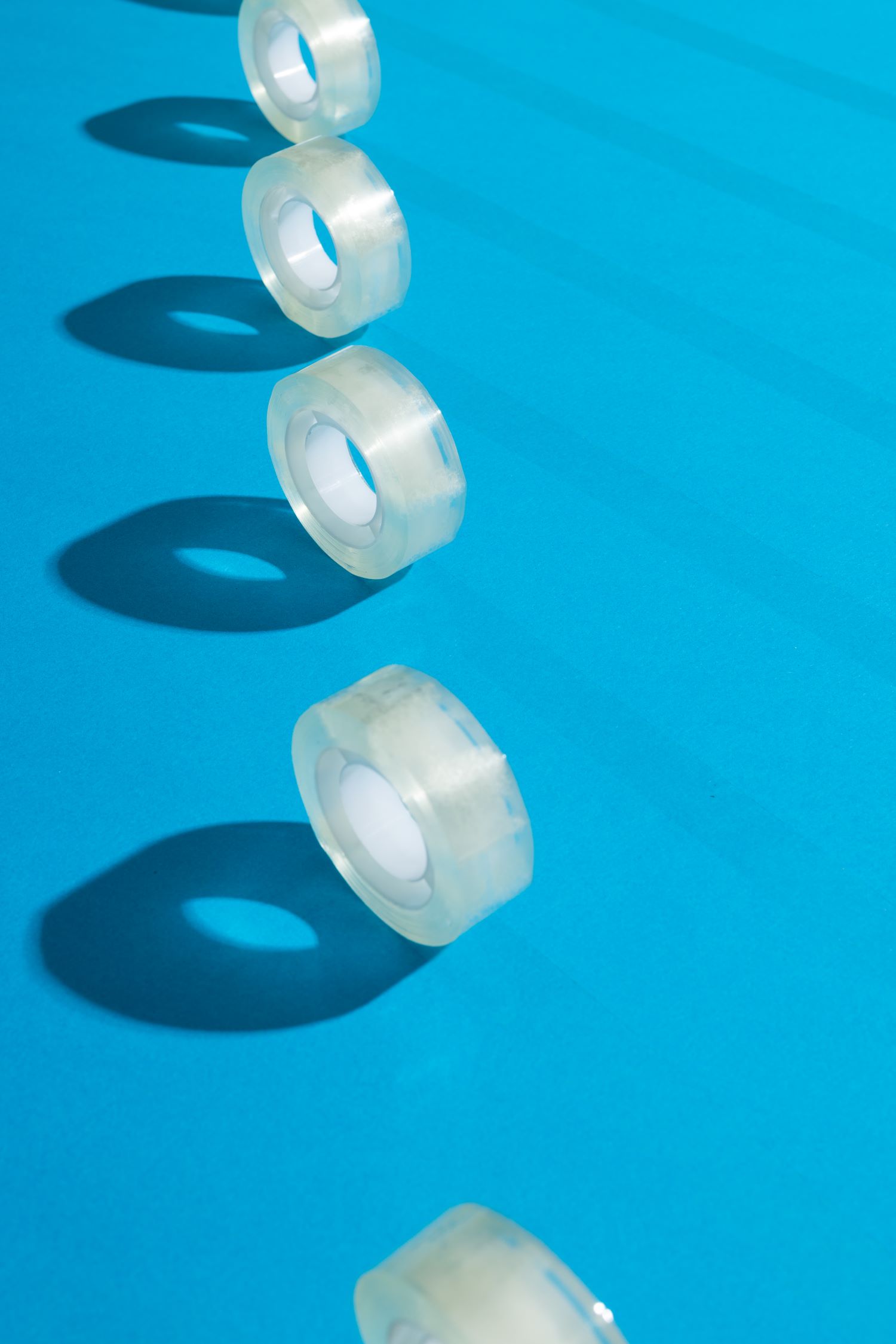
Clear tape is widely used in both daily life and industrial applications due to its versatile properties, such as transparency, adhesion, and durability. However, the performance and longevity of clear tape can vary depending on the environmental conditions in which it is used. Analyzing the limitations of clear tape under different environmental factors is crucial for improving its development and ensuring appropriate usage.
Effects of Temperature
Temperature is a key factor affecting the performance of clear tape. In high-temperature conditions, the tape may lose its adhesive properties as the coating adhesive deteriorates or melts. Conversely, at low temperatures, the tape can become brittle and prone to breaking. Laboratory tests have shown that most clear tapes perform optimally at temperatures between 15-35°C, while performance significantly declines outside this range.
Humidity and Water Exposure
Humidity is another factor that impacts the durability of clear tape. In high-humidity environments, the adhesive on the tape may degrade more rapidly, reducing its adhesion strength. Additionally, direct water exposure can cause the tape to peel off easily. Tests indicate that standard clear tape can withstand relative humidity levels of up to 80%, but performance drops sharply beyond this threshold. When exposed to direct water contact, most clear tapes lose their adhesion within a few hours.
Sunlight and UV Radiation
Prolonged exposure to sunlight and UV radiation negatively affects the molecular structure of clear tape, causing it to degrade, become brittle, and change color. Simulated sunlight exposure tests show that standard clear tape begins to deteriorate after approximately 500 hours of direct sunlight exposure. However, UV-resistant tapes can endure up to three times longer than standard clear tapes.
Tensile and Compressive Strength
The ability to withstand tensile and compressive forces is a critical property of clear tape, especially in industrial applications. Tests indicate that high-quality clear tape can endure a tensile force of 20 N/cm and a compressive force of 0.5 MPa. However, exposure to heat or high humidity can significantly reduce these strength levels.
Chemical and Solvent Resistance
Exposure to chemicals and solvents can quickly degrade the structure of clear tape, particularly when in contact with organic solvents such as acetone or ethanol. Tests reveal that most clear tapes lose adhesion within a few minutes of exposure to these solvents. However, specialized laboratory-grade clear tapes are more resistant to chemical degradation.
Abrasion and Friction Resistance
In high-friction environments, such as industrial settings, clear tape may wear out more quickly. Abrasion tests indicate that high-quality clear tape can withstand up to 1,000 cycles of abrasion before showing signs of significant deterioration.
Conclusion
An analysis of the performance and durability of clear tape under various environmental conditions demonstrates that its usability limits depend on multiple factors, including temperature, humidity, sunlight, mechanical stress, and chemical exposure. Choosing the right clear tape for specific environmental conditions is essential. Moreover, advancements in tape technology—such as heat resistance, water resistance, and UV protection—can expand its range of applications and improve its performance in challenging environments. Ongoing research and development will continue to enhance the quality of clear tape to meet diverse industrial and consumer needs in the future.
4o